
Is Your Factory Ready for Thailand’s Changing Electricity Market?
Sep 20, 2026
Thailand is moving toward a more differentiated electricity tariff structure, with greater support expected for lower-consumption households and closer attention being paid to the cost created by high-demand users.
At the same time, Thai manufacturers continue to face pressure from energy-price volatility. Natural gas still plays a major role in Thailand’s power generation, while growing LNG exposure means that changes in global fuel prices can quickly affect electricity costs.
For factories, the question is no longer simply:
“Should we install solar panels?”
The more important questions are:
How much electricity does the factory consume during solar-generation hours?
Is battery storage economically necessary?
What solar and battery capacity would best match the actual load profile?
How much can the project really save, and how many years will it take to recover the investment?
These decisions should be based on real operating data—not estimates from electricity bills alone.
Start with Acrel IoT Energy Management
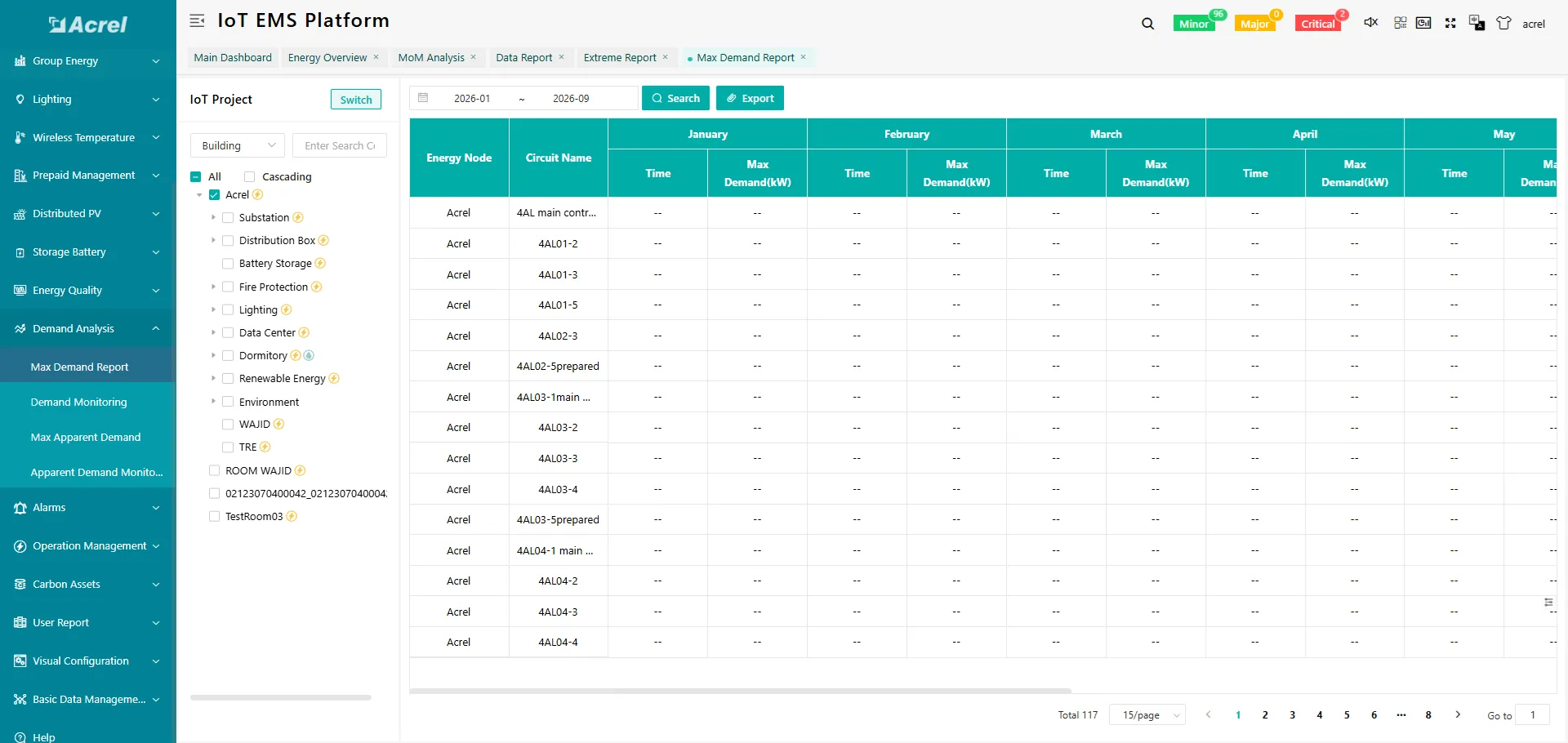
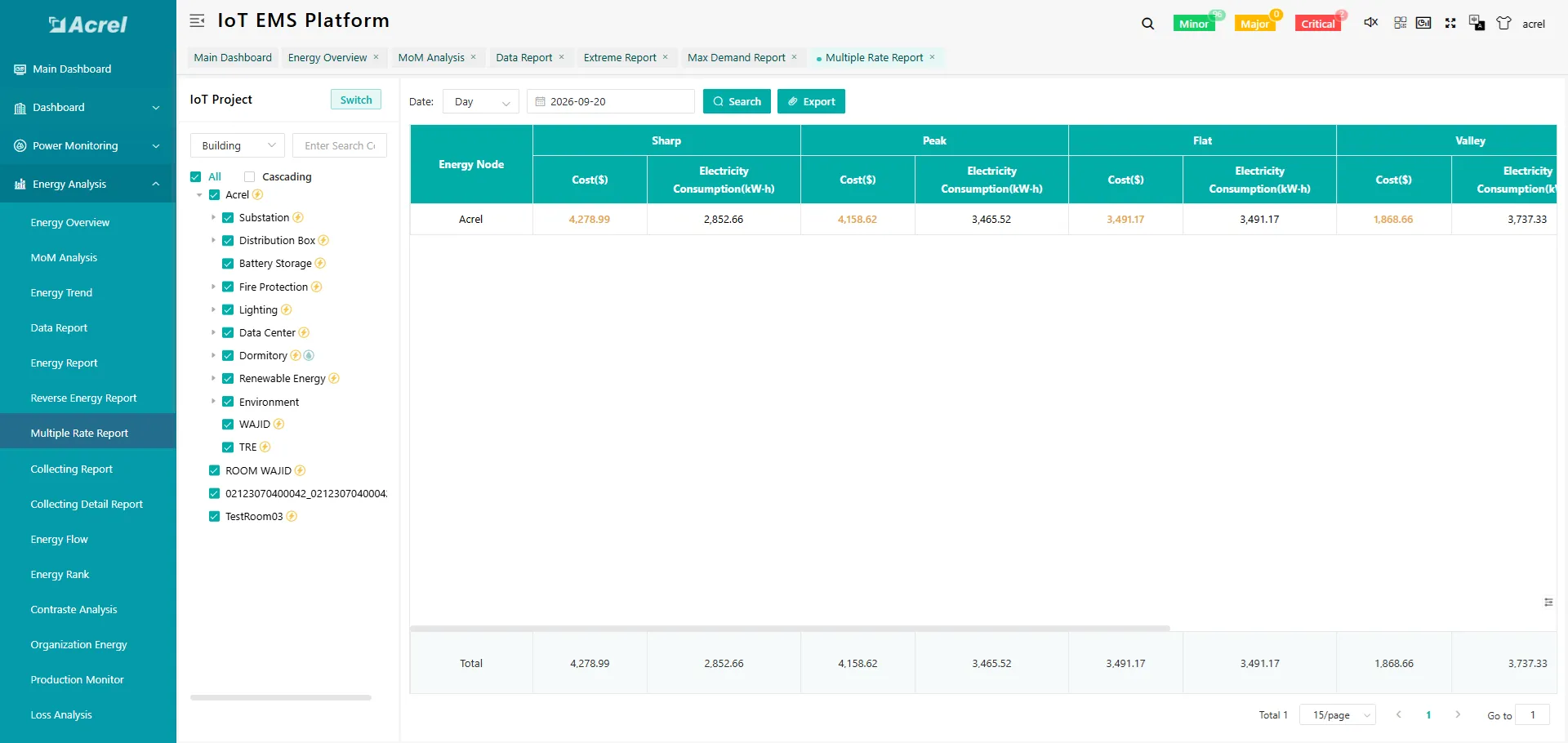
By installing Acrel smart meters, gateways and the Acrel IoT Energy Management Platform, factories can continuously monitor:
✅ Total electricity consumption
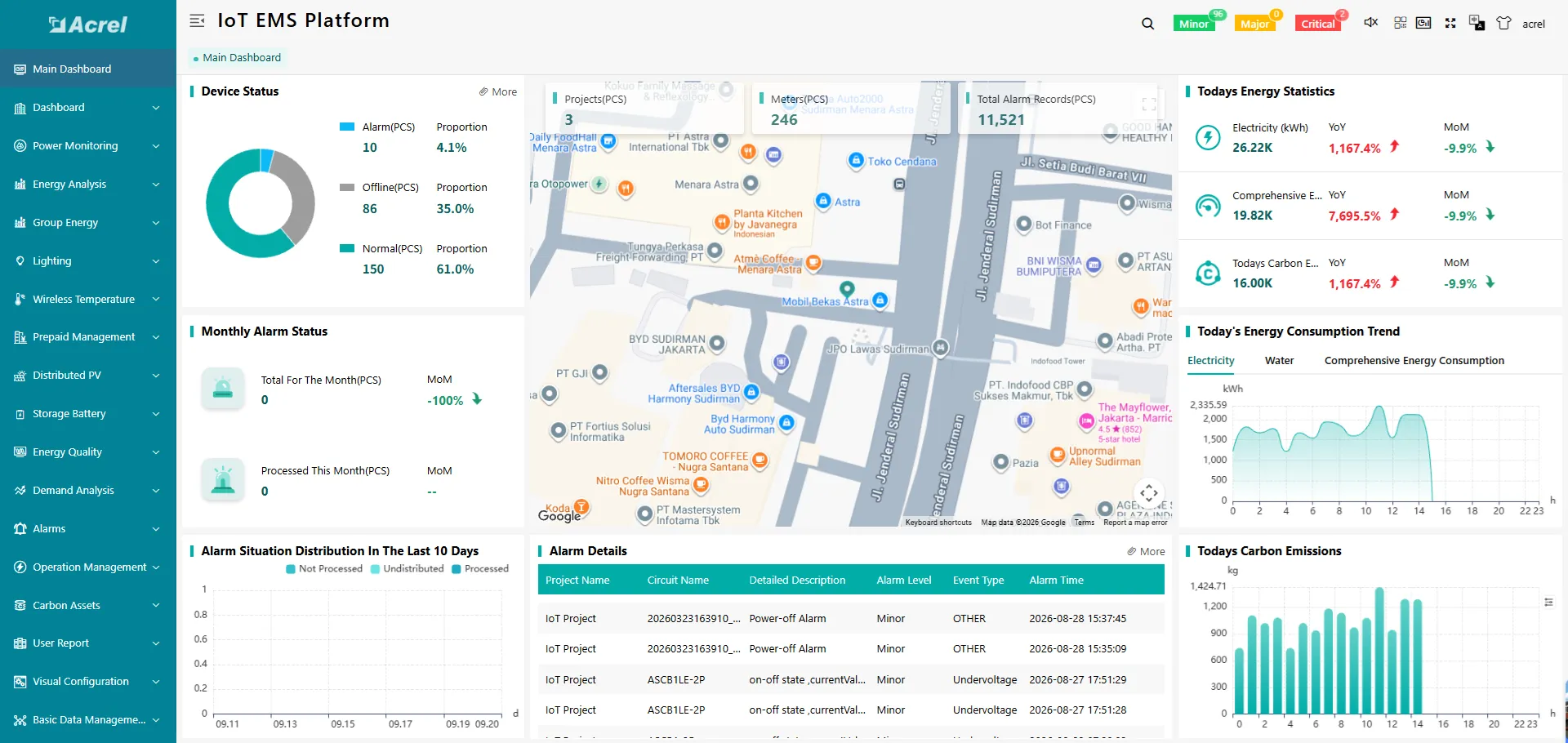
✅ Energy use by workshop, production line or major equipment
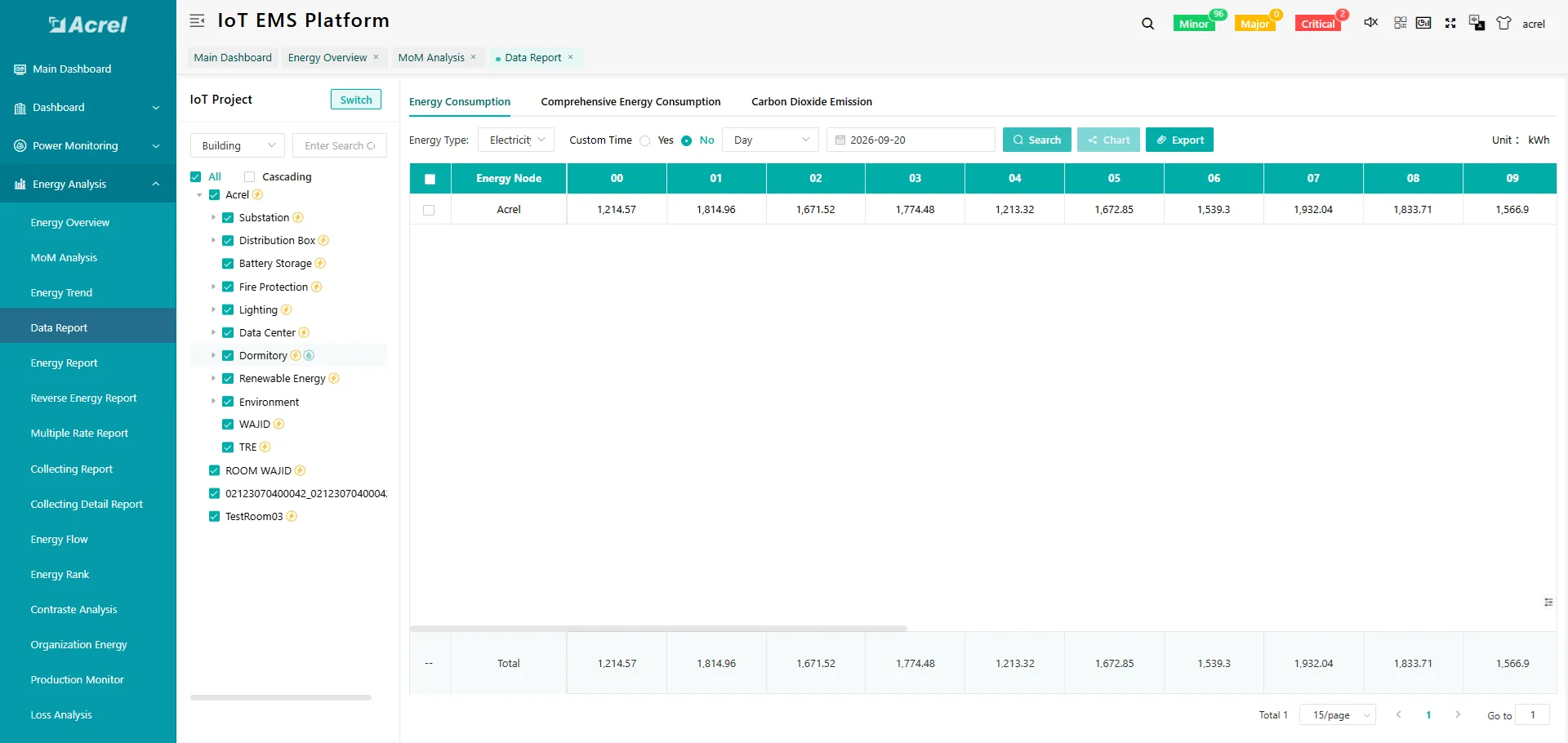
✅ Peak demand and demand occurrence time
✅ Peak, off-peak and TOU electricity consumption
✅ Power factor
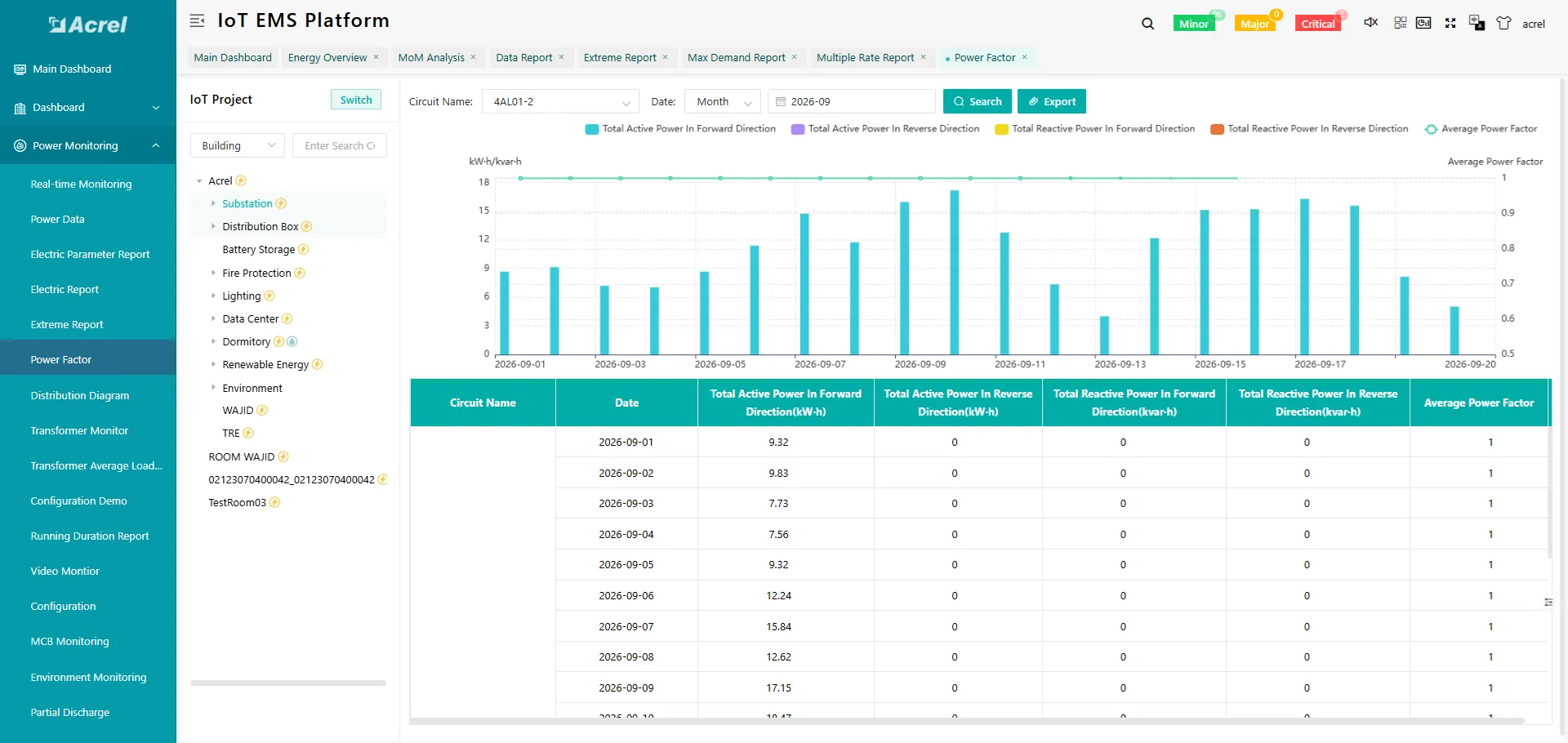
✅ Historical energy trends and energy cost distribution
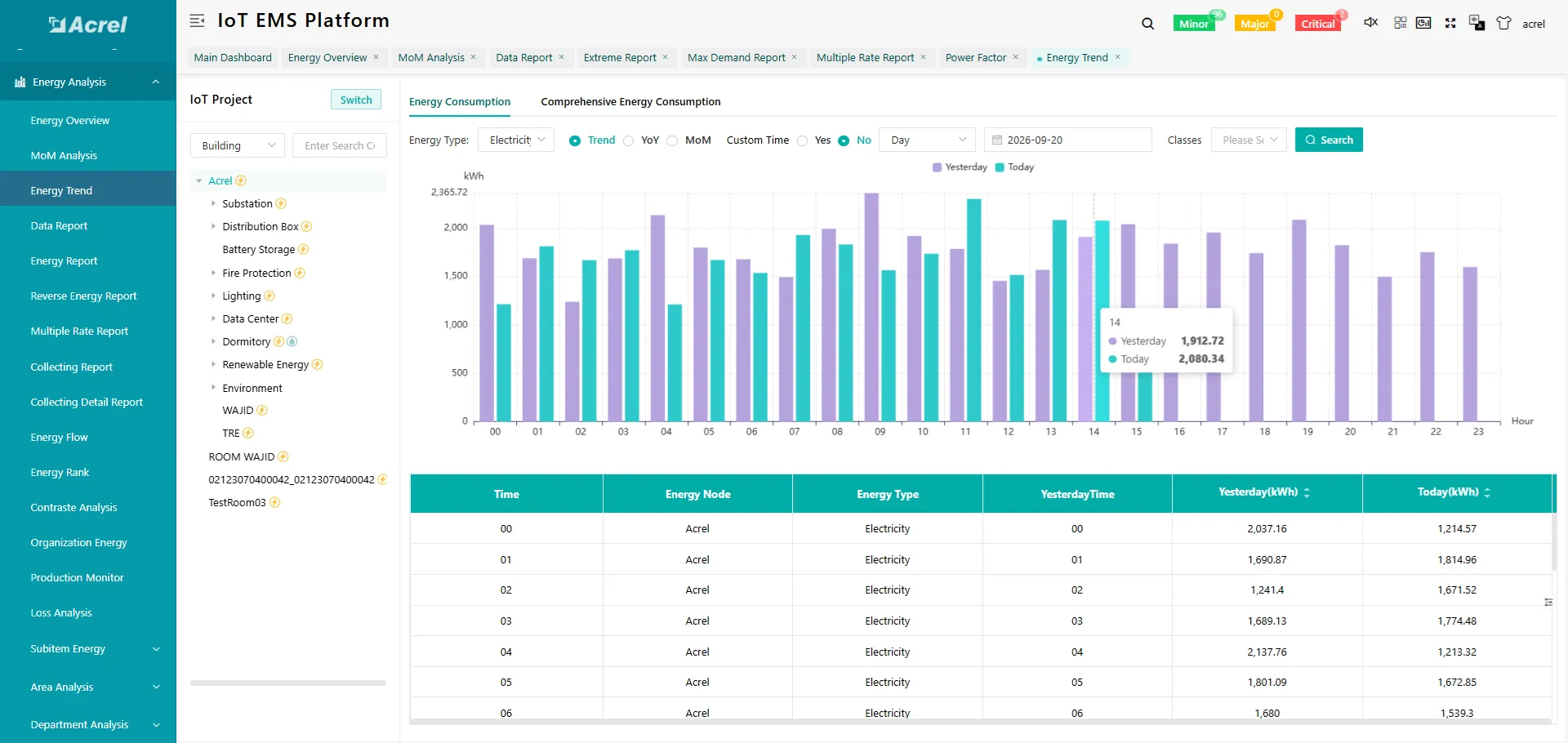
Size Solar and Storage with Real Factory Data
Before investing in solar PV or battery energy storage, the platform’s historical data can help factories identify:
- Daytime base load
- Peak-load periods
- Weekend and holiday consumption
- Available solar self-consumption capacity
- Potential surplus solar generation
- Suitable battery charging and discharging periods
This provides an objective data foundation for evaluating whether the factory needs:
- Solar PV only
- Solar PV with energy storage
- Demand-control measures
- Load shifting
- Power-factor improvement
It also helps engineers avoid installing a system that is too large, which may create unnecessary export or investment costs, or too small, which may fail to deliver the expected savings.
Verify the Result After Installation
Energy management should not stop when the solar panels or batteries are commissioned.
The Acrel IoT platform can preserve the factory’s pre-installation energy baseline and compare it with post-installation data, helping users evaluate:
Reduction in grid electricity consumption
Reduction in peak demand
Solar self-consumption performance
Battery charge and discharge contribution
Monthly and annual electricity-cost savings
Estimated investment payback period
For more accurate evaluation, energy data can also be compared together with production output, operating hours and tariff conditions.
As Thailand’s electricity market evolves, factories need more than lower-energy equipment. They need reliable data to decide where to invest and to verify whether each energy-saving project is actually delivering value.
Measure first. Analyse accurately. Invest with confidence.
Contact Acrel for smart meters, gateways and IoT energy-management solutions for Thai factories.

Recent Posts



Contact US
Product Information
Quantity
Unit
Piece
Support order samples, customization, wholesale direct, and complete payment. If the product you look for does not have corresponding customized content, pls fill out the form below to contact us, and we will reply ASAP.